HHC left the shelves, its cousins followed, and the fake moustaches fooled nobody. Here is what changed, and what former HHC fans can choose instead.
For a while, HHC was everywhere. Kiosk counters, online shops, little foil pouches of gummies sitting next to the chewing gum. Then the rules caught up, and the shelves started looking like a petrol station at 3 a.m.: lots of space, very little on it.
If you were an HHC regular, you probably have questions. What actually happened? Is the stuff on sale now just HHC under a new name? And what is left for an adult who liked the evening ritual without wanting to fall foul of the law?
The short version is that HHC itself is no longer an option in Germany, and the international picture moved the same way. The longer version is more useful, because it helps you tell a sensible alternative from a rebrand.
This guide gives you three things: what changed (with dates and sources), what former HHC fans can choose instead, and a checklist for judging any product, ours included. For the full German legal story, read our explainer on HHC's legal status in 2026; to see what we make, the THC alternatives range is the place to start. Everything here is for adults 18+.
Pick your swap in ten seconds
| If you used HHC for… | Look at | One thing to know |
|---|---|---|
| A quick puff from a disposable pen | Pre-filled vape pens | Same routine, different blend; read the product page |
| Swapping cartridges on a battery | 510 cartridges | Check your battery fits before you buy |
| Rolling or grinding actual flower | Broad spectrum buds | Sold by the gram; under 0.2% THC per the product page |
| Something lower-key for the evening | CBD oil | Not intoxicating; a different kind of evening |
| Anything still labelled HHC, HHC-P or similar | Nothing | That is the bit the law changed |
What actually happened to HHC
HHC (hexahydrocannabinol) is a semi-synthetic cannabinoid. It is usually made in a lab by chemically converting compounds derived from hemp, which is why the law treated it differently from the plant itself.
Here is the timeline, as of October 2026:
- June 2024, Germany: HHC and derivatives such as HHC-P were added to the annex of the New Psychoactive Substances Act (NpSG). The change took effect in late June 2024 (you can read the NpSG itself). From then it was illegal to make, sell, buy or possess HHC in Germany, with trading and making it criminal offences.
- March 2025, United Nations: the Commission on Narcotic Drugs voted to place HHC in Schedule II of the 1971 Convention on Psychotropic Substances. UNODC reports that the decision took effect on 6 December 2025, making HHC the first semi-synthetic cannabinoid under international control.
- December 2025, Germany: the NpSG cannabinoid group was widened again by an amendment in force from 2 December 2025, which also covers hydroxylated look-alikes such as 10-OH-HHC. Our 10-OH-HHC explainer covers what that meant for the next wave of look-alikes.
- May 2026, Germany: HHC moved into Annex II of the Narcotics Act (BtMG), in force from 23 May 2026. Since then it has been a controlled narcotic, not just a listed new psychoactive substance. The current Annex II carves out cannabis for medical or medical-scientific purposes under the Medical Cannabis Act and "non-synthetic" forms. The semi-synthetic HHC that filled vape shelves is not a non-synthetic form, so on a plain reading the carve-out does not cover it.
Other European countries have their own timelines for turning the UN decision into national law, and some acted long before it. If you are not in Germany, look up your own country's current list rather than assuming.
Why "HHC-P" and friends are not the answer
Every time one compound gets listed, a cousin tends to appear with an extra letter or two on the end. HHC-P, HHC-O, 10-OH-HHC: it is the chemistry equivalent of putting on a fake moustache.
German law has been built to keep up. The NpSG bans whole groups of related substances rather than single molecules, and the June 2024 change widened those groups to cover HHC and derivatives such as HHC-P. So a label promising "the new HHC" is not clever, it is a red flag: in Germany those cousins are covered too, and elsewhere assume the same until your own country's rules say otherwise. Choosing an alternative means choosing a different kind of product, not a renamed molecule.
Format matters as much as the compound
Most HHC fans never fell for a molecule. They fell for a format. A disposable pen in a jacket pocket. A cartridge that clicks onto a battery. A pouch of buds and a grinder on a Friday evening.
So start there. Ask yourself what the ritual was, then find a product that keeps the ritual and changes what is inside. It is a bit like switching to decaf but keeping the favourite mug.
A quick way to think about it:
- Grab-and-go: a pre-filled pen. Nothing to fill, nothing to assemble.
- Tinkerer: a battery and cartridges, so you can swap flavours without buying a new device.
- Traditionalist: flower, a grinder and a little patience.
- Winding down: CBD, which keeps the plant but is not intoxicating.
Option 1: the pre-filled vape pen
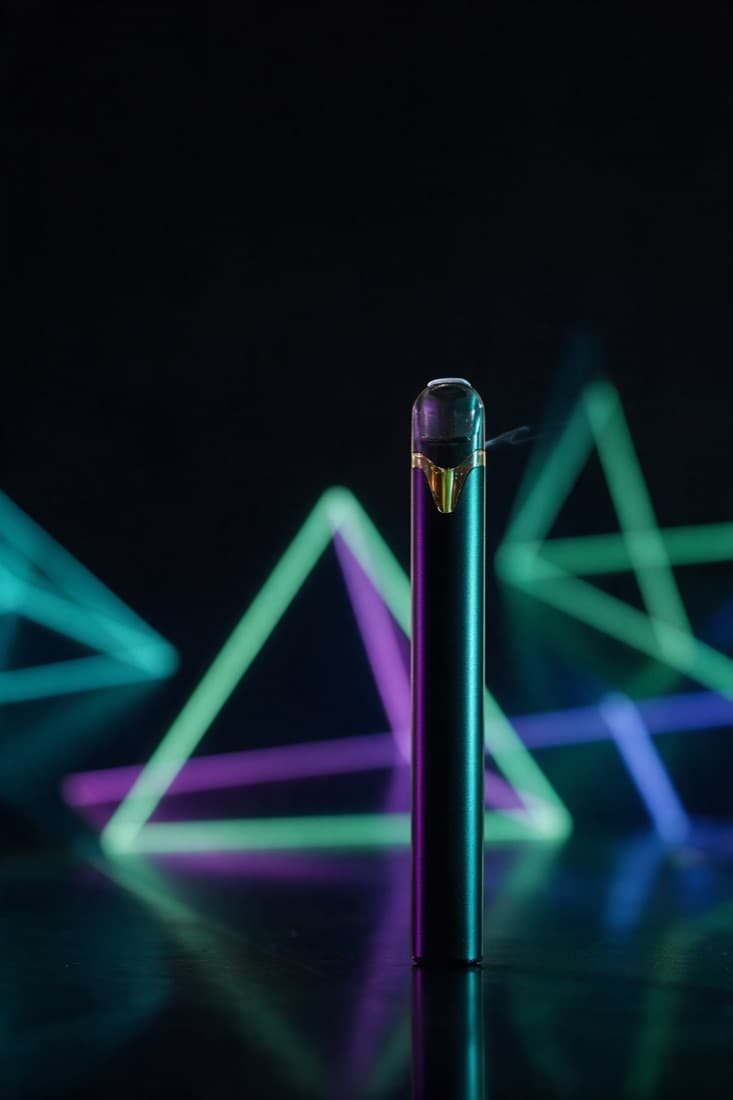
If your HHC habit was a disposable pen, this is the shortest step sideways. Same size, same pocket, same easy puff. The difference is the blend inside and, ideally, a bit more information on the box.
Look for a pen that tells you its volume, roughly how many puffs to expect and how to charge it. A screen showing battery and puff count is a small luxury that saves a lot of guessing.
Option 2: cartridges on a battery
Some people liked HHC because of the cartridge routine: one battery, a drawer of carts, a different flavour depending on the mood. That habit translates neatly, and the drawer of carts is allowed to stay exactly as chaotic as it was.
The main thing to check is fit. A 510 cartridge needs a 510-thread battery, and it is worth checking the cart physically sits in yours. A battery with adjustable voltage lets you tune how strong each puff feels. Keep the battery, change the cart, and nobody has to learn anything new.
Option 3: broad spectrum buds
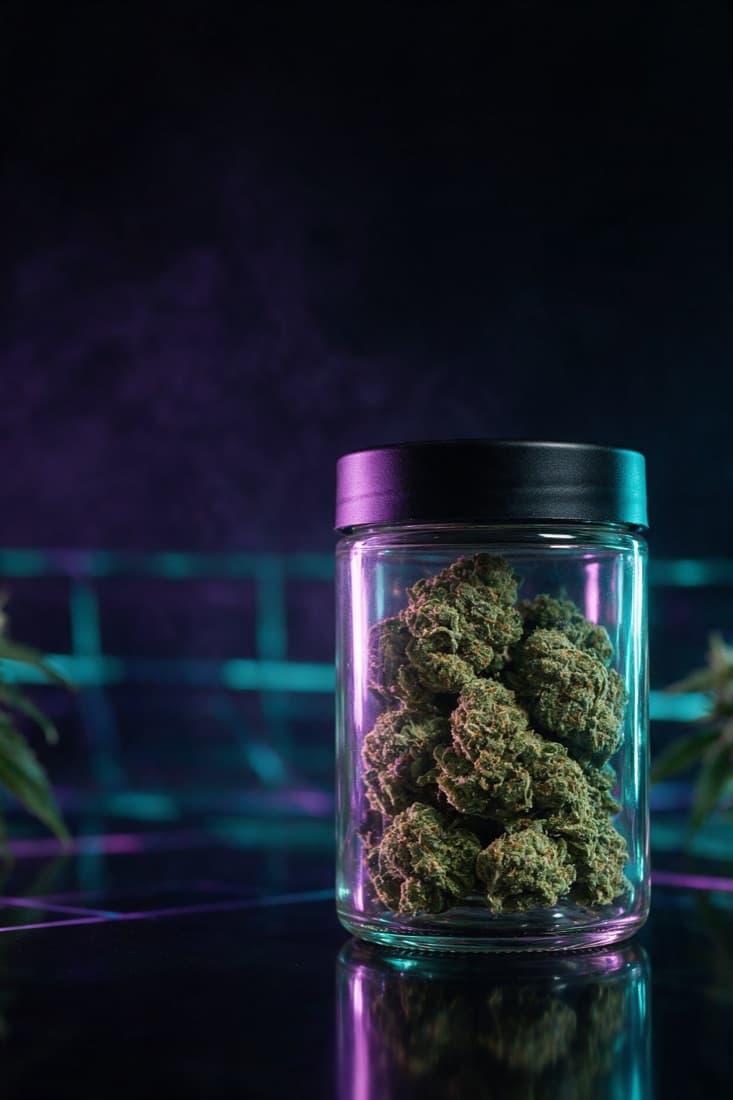
If what you really missed was the ritual of flower, grinding, rolling and the smell when you open the bag, go straight to buds. Our broad spectrum buds are sold by the gram, and the product page lists them at under 0.2% THC and more pronounced than standard CBD flower, so start small.
Open the bag and you will know within a second whether you are a Haze person. The rest of the routine needs nothing new: the same grinder, the same papers, the same Friday evening, just a different bag in the middle of it.
Option 4: dialling it down with CBD
Not everyone wants a like-for-like swap. Some former HHC users realise they mostly liked the evening wind-down, and would happily trade intensity for something lower-key and simpler.
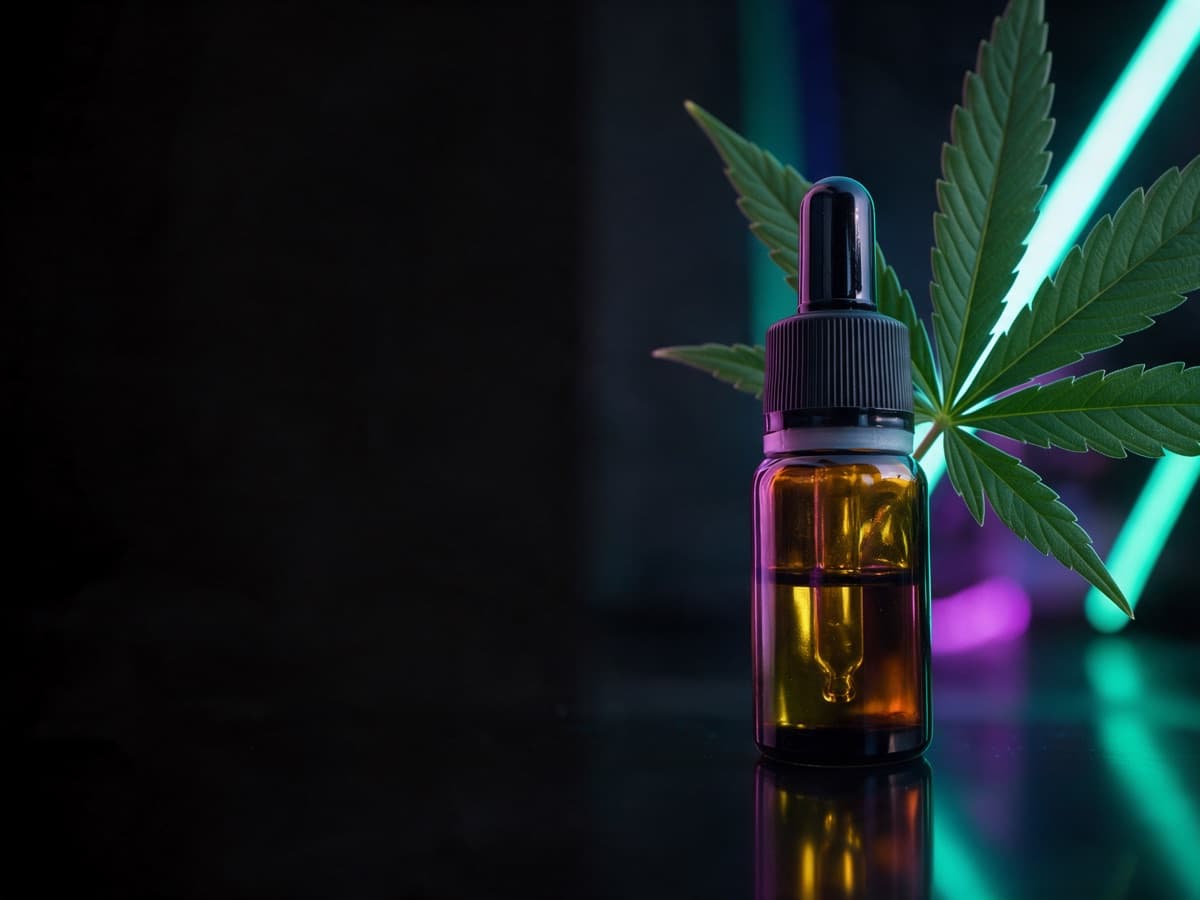
That is where CBD fits. CBD is not intoxicating and is not designed for a high, so expectations matter: think quiet evening, not fireworks. Oil drops are the most low-key way in: the cardigan of the shelf, unglamorous and exactly what you reach for at nine o'clock.
A five-point checklist for any HHC alternative
Whatever you buy, from whoever you buy it, run it through this list. It takes a minute and saves a lot of regret.
- No HHC on the label. Not HHC, not HHC-P, not "HHC-style". If it is on the label, it is the problem.
- Lab results on request. A serious seller can show batch test results. Trippy 2.1's product page, for example, says it is third-party lab tested with results available on request.
- No sweets in disguise. In its 2025 opinion, Germany's Federal Institute for Risk Assessment warned that illegal HHC products that look like ordinary wine gums were still on sale. Anything that could be mistaken for a children's treat deserves suspicion.
- Honest effect language. Descriptions of what people report are fine. Miracle promises and guarantees are not.
- Clear country rules. A good shop tells you to check your own country. If a listing claims something is allowed "everywhere", close the tab.
And once you have chosen: start low, go slow, and read the product page. Never drive after using anything psychoactive, and keep it all strictly for adults 18+.
The after-HHC shelf
If you want one easy starting point instead of four separate decisions, these two cover the two most common HHC routines:
- The Starter Set: one Woody battery (magnetic connection, fits standard 510 carts) and four of the original Trippy 1 ml cartridges. The cartridge routine, sorted in one box.
- Penjamin 3.0: for anyone who never wanted more than one pen and a charger.
We strive to offer only products that are 100% legal throughout the EU. Each product page lists the details; rules differ between countries, so please check yours before ordering.
After HHC, answered
Is HHC still sold legally in Germany?
As of October 2026, no: HHC went onto the NpSG list in June 2024 and has been listed in Annex II of the German Narcotics Act (BtMG) since 23 May 2026. The BtMG entry carves out cannabis for medical or medical-scientific purposes and non-synthetic forms, which does not reach the semi-synthetic HHC sold in vapes and gummies. Laws change, so check the current rules.
What happened to HHC internationally?
In March 2025 the UN Commission on Narcotic Drugs added HHC to Schedule II of the 1971 Convention on Psychotropic Substances, and that decision took effect on 6 December 2025. Since then every country that is party to the convention has been obliged to control HHC. How and when each one writes that into national law varies, and several had already banned it before then.
Are HHC-P, HHC-O or 10-OH-HHC a way round the ban?
Not in Germany. The June 2024 NpSG change widened the substance groups to cover HHC derivatives such as HHC-P, and an amendment in force from 2 December 2025 widened the cannabinoid group again. Elsewhere, assume the same until your own country's rules say otherwise: a new letter after HHC on the label is a warning sign, not a loophole.
What keeps the HHC vape routine?
If you liked the disposable-pen routine, a pre-filled pen such as Penjamin 3.0 or a 510 cartridge such as Trippy 2.1 keeps the same format. Each product page describes the blend and its effects; start low, go slow, and check your country's rules before ordering.
How do I spot a dodgy listing still selling HHC?
Be suspicious of anything that names HHC or a close relative, sells gummies that look like ordinary sweets, or cannot show batch lab results on request. Germany's Federal Institute for Risk Assessment warned in 2025 that illegal HHC products were still turning up for sale.
More reading for the curious
- Legal Cannabinoids 2026: The Complete List Under Germany's NpSG
- Full Spectrum vs. Broad Spectrum Buds: Which One Should You Choose?
- CBD vs THC Effects: What Each One Actually Does
Legal position as of October 2026, based on the German NpSG (as amended by BGBl. 2024 I Nr. 210 of 21 June 2024 and BGBl. 2025 I Nr. 292) and BtMG, and the UN Commission on Narcotic Drugs decision of March 2025. This is general information, not legal advice; rules change, so check the current law where you live.