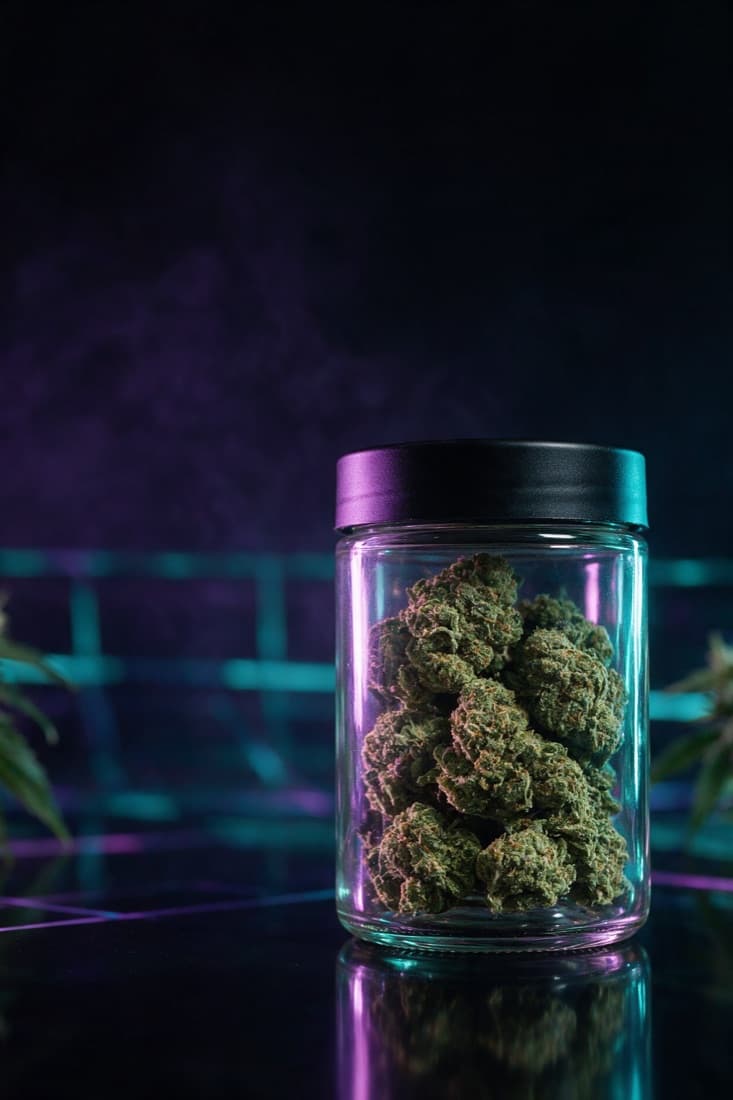

A plain-language comparison of CBD and THC: what each one does, what the law says in the EU and Germany, and how to check a CBD product's lab report before you buy.
CBD and THC come from the same plant, but they are not two versions of the same experience. THC is the molecule behind the cannabis "high". CBD is non-intoxicating, and it is the cannabinoid most EU shoppers can buy legally over the counter. This guide explains the honest difference between the two — what each one does, what the law actually says in the EU and Germany, and how to read a lab report before you buy.
Two molecules, two very different jobs
Both CBD (cannabidiol) and THC (tetrahydrocannabinol) belong to the cannabinoid family and interact with the body's endocannabinoid system. The difference lies in how directly they act on it.
THC binds directly and strongly to CB1 receptors in the brain. That binding produces the psychoactive "high" — and it is also why THC is a controlled substance across most of Europe.
CBD does not bind to CB1 receptors in the same way. It is consistently described as non-intoxicating: it does not produce the THC high, and it is not scheduled as a controlled substance under Germany's NpSG framework.
What you actually feel: side by side
The table below compares them in plain language: general pharmacology, not a promised effect for any product.
| CBD | THC | |
|---|---|---|
| Onset | Usually gradual; many people report little or no immediate sensation. | Commonly reported within minutes when inhaled. |
| Duration | Any perceptible effect typically fades over a few hours. | Usually several hours, depending on dose and route. |
| Psychoactivity | Non-intoxicating — no "high". | Psychoactive — this is the "high". |
| What labs test for | Cannabinoid content, heavy metals, residual solvents and pesticides. | THC concentration against the legal threshold, plus the cannabinoid profile. |
If what you are after is the sensory profile associated with THC without buying a controlled substance, the compliant route in the EU is a legal THC alternative — not THC itself. For the non-intoxicating side of the comparison, start with the CBD collection.
The legal picture in the EU and Germany
The following is general information, not legal advice, and the rules differ from one member state to another.
THC is a controlled substance under German narcotics law (BtMG) and remains controlled in most EU countries. Germany's 2024 cannabis reform (KCanG) allows limited personal adult use and home cultivation; it does not legalise commercial supply outside the licensed system.
CBD is not covered by Germany's NpSG, the law that targets new and semi-synthetic psychoactive substances. Semi-synthetic cannabinoids such as HHC and its close relatives were added to that schedule in the 2024 amendments.
THC limits for hemp products vary by country and product type — commonly 0.2% or 0.3%. Check the limit that applies where you are before you buy or travel with a product.
One more layer worth knowing: CBD is also regulated as a novel food in the EU, which is why some CBD oils are sold under an "aroma oil" label. Our explainer on why CBD oil is labelled aroma oil covers that separately.
For the current legal list, see our breakdown of legal cannabinoids under Germany's NpSG and the status of HHC in Germany.
What the research actually says
Both cannabinoids are heavily studied, and the literature is more cautious than most product pages. A 2023 review indexed by the National Library of Medicine surveys how the two differ pharmacologically: CBD is consistently described as non-intoxicating, while THC's psychoactive effects are the reason it is regulated. The review does not establish a therapeutic claim for either compound, and we make none here.
If you would rather read the primary source than a summary, go straight to the review on the National Library of Medicine.
Reading a CBD product the way you read a lab report
Because CBD is not psychoactive, the useful question is not "how strong does it feel" but "what is actually in the bottle". Three examples from our own range, using the numbers published on each product page:
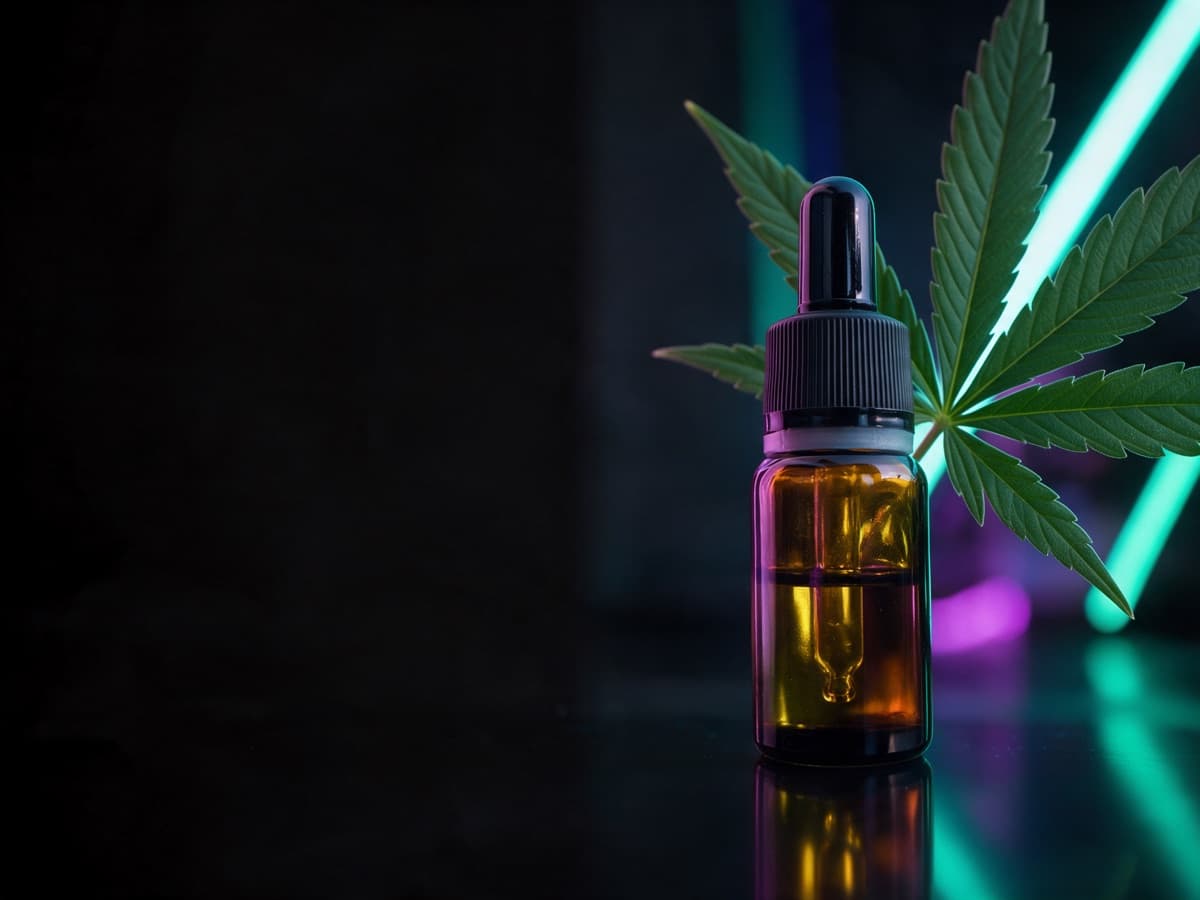
CBD Drops 40% — 4000 mg of CBD per 10 ml bottle, full spectrum, in a coconut-oil base. Each batch is third-party tested for purity and potency.
CBD Hash — pressed from hemp trichomes and listed at less than 0.2% THC, which is the figure that matters for compliance in most of the EU.
CBD Gorilla Frost — freeze-dried CBD flower, for anyone who prefers the plant format over oil or hash.
Wherever you buy, look for three things on the certificate of analysis: the cannabinoid content of that specific batch, the residual-solvent result and the heavy-metals result. A generic "lab tested" badge without a batch number is not something you can verify.
Frequently asked questions
Is CBD legal in the EU?
CBD is not controlled as a narcotic in Germany and is sold legally in most EU countries, but the rules for hemp-derived products — including THC limits — are set nationally and vary. Check the rule that applies where you are.
Does CBD get you high?
No. CBD is non-intoxicating. The "high" is a THC effect, and it is the reason THC is regulated.
Ready to compare for yourself? Browse the full CBD collection, or start with CBD Drops 40% — 4000 mg of CBD per 10 ml bottle, third-party tested for purity and potency.