Forty tabs, four abbreviations, one shop claiming it's allowed everywhere, no caveats. Here's the calm map: every main format, the EU and German ground rules, and a five-point checklist.
You type “THC alternative” into a search bar and get forty tabs of bright packaging, four chemistry abbreviations you have never seen and at least one website promising something is allowed everywhere without a word about your country's rules. Close that one first.
What you actually wanted was simple: a clear picture of what exists, how the formats differ and what the rules say, without needing a law degree or a lab coat.
That is this page. In German shops you will often see the whole category called THC-Ersatz, literally “THC substitute”. It is a shopping term rather than a legal one, which turns out to be the most important thing to know about it.
Below you get a ten-second map, the legal ground rules (with dates and sources), each main format in plain English and a checklist you can run on any product. To see what we make, start with our THC alternatives range; if you would rather have the plant without the buzz, our CBD range is the quieter end of the same shop. Everything here is for adults 18+.
Pick your format in ten seconds
| If you want… | Look at | One thing to know |
|---|---|---|
| One device, nothing to set up | Pre-filled vape pen | Check puffs, volume and how it charges |
| Swap flavours on one battery | 510 cartridges | Your battery needs a 510 thread or magnetic adapter |
| The full flower ritual | Broad spectrum buds | Ours are under 0.2% THC, sold by the gram |
| Flower, but calm and clear-headed | CBD flower | Usually described as not intoxicating; effects vary |
| Something very low-key | CBD oil | CBD added to food counts as a novel food that needs EU authorisation |
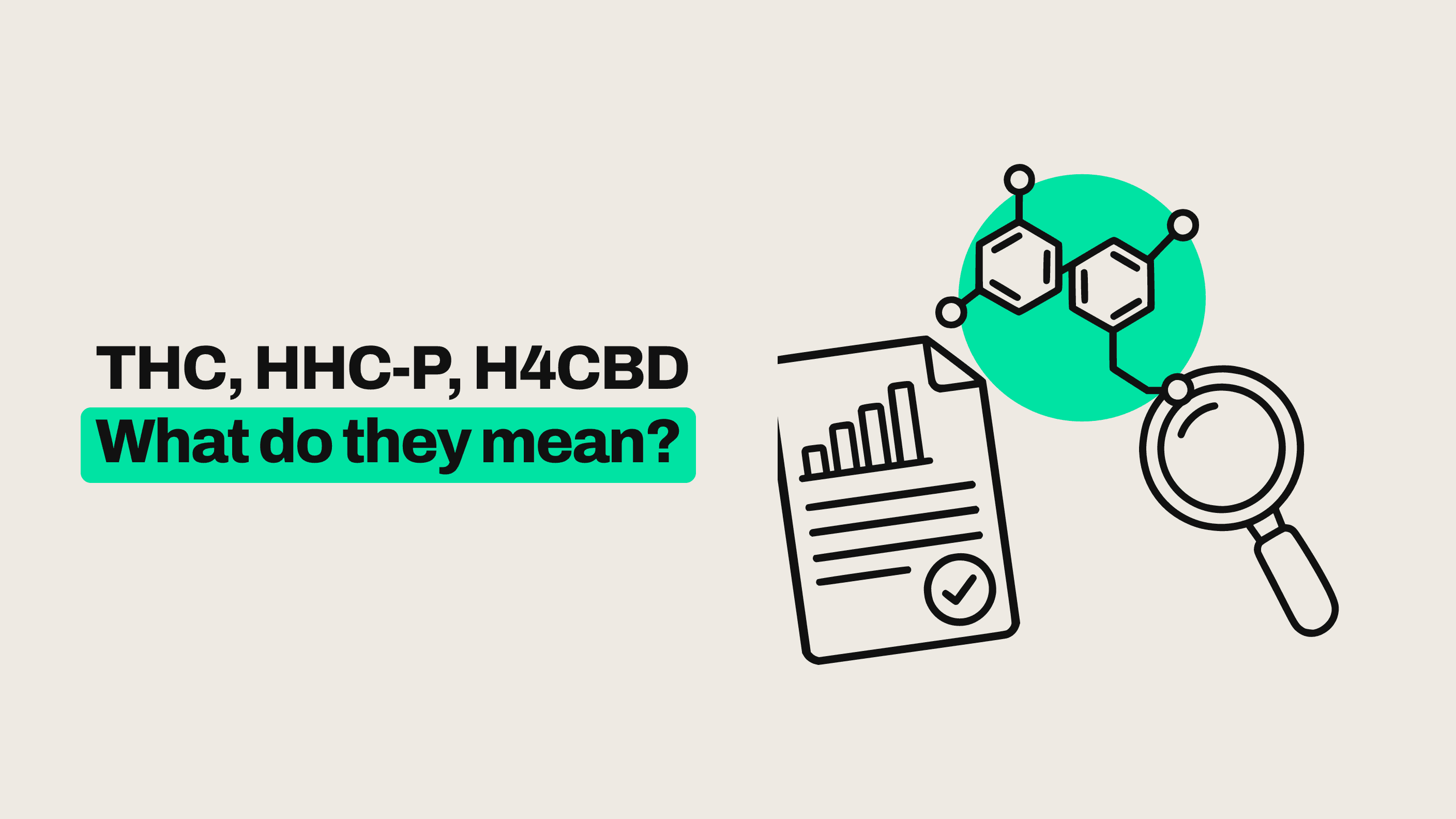
| Anything labelled HHC, HHC-P and friends | Nothing | Germany: HHC is a controlled narcotic, its relatives fall under the NpSG |
What “THC-Ersatz” means (and what it does not)
The word covers a whole landscape rather than one product: hemp flower, extracts, pre-filled pens, cartridges and the devices that go with them. Many of these aim for an experience people compare to THC while keeping THC low.
What the word does not do is tell you anything about legality. “Substitute” is marketing. Whether a product is allowed depends on what is in it, how it was made and the country it lands in, not on the label on the bag.
Think of it like “vegan cheese”. Useful for finding the right aisle, useless for knowing what is actually in the packet.
The legal ground rules, in plain English
Three layers matter here: EU farming rules, an EU court ruling on CBD, and national drug laws. Here is the short version, as of October 2026.
- Hemp farming (EU): under the current Common Agricultural Policy, hemp grown on land eligible for direct payments may contain up to 0.3% THC. The limit rose from 0.2% on 1 January 2023, under the CAP Strategic Plans Regulation (EU) 2021/2115. That is a farm-subsidy rule; it does not by itself set the limit for finished products.
- CBD (EU): in the Kanavape case of 19 November 2020 (C-663/18), the Court of Justice of the EU held that the CBD in the case, extracted from the whole hemp plant, cannot be treated as a narcotic drug under EU law. It read the UN drug conventions in light of current scientific knowledge, on which CBD does not appear to be psychotropic. It also held that one member state cannot simply ban CBD lawfully produced in another. Countries may still restrict it if they can justify it on public-health grounds.
- Germany: the Cannabis Act (KCanG) (§ 1 No. 9) counts hemp as “Nutzhanf” (industrial hemp) only if it comes from certified EU varieties or has no more than 0.3% THC.
On top of that, Germany's New Psychoactive Substances Act (NpSG) bans whole groups of synthetic and semi-synthetic compounds.
Put together: low THC is necessary, but not sufficient. Compliance is not a limbo contest where the lowest number wins. A product can sit under every THC threshold and still be caught by a different rule, which is exactly what happened to HHC. And other countries have their own versions of all of this, so the German picture is a guide, not a passport.
The cautionary tale: what happened to HHC
For a couple of years HHC (hexahydrocannabinol) was the poster child of the category. It is semi-synthetic, usually made in a lab by converting hemp-derived compounds, and for a while it sat in the gaps between the laws.
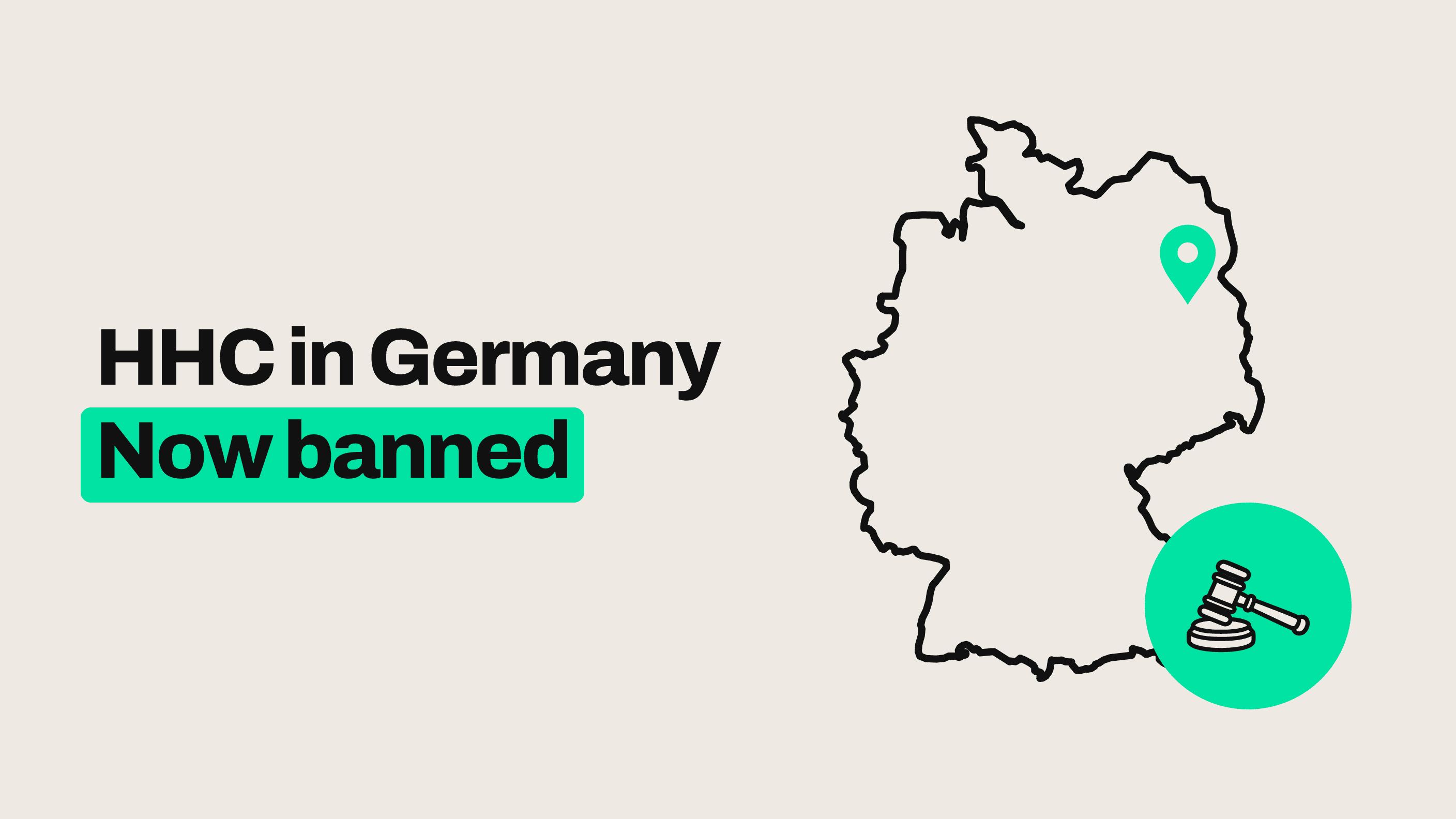
The gaps closed. Since June 2024, an amendment to the NpSG by the Federal Ministry of Health has covered HHC and derivatives such as HHC-P under its cannabinoid substance groups. At UN level, the Commission on Narcotic Drugs voted in 2025 to place HHC under international control in Schedule II of the 1971 Convention on Psychotropic Substances. And since 23 May 2026, HHC has been listed in Annex II of Germany's Narcotics Act (BtMG), with exceptions only for medical cannabis and naturally occurring, non-synthetic forms.
The lesson for anyone browsing today: a new letter after a familiar name is a red flag, not a loophole. If a product needs a fresh abbreviation every year to stay on the shelf, it is not innovating, it is running. Our HHC explainer has the full timeline.
Enough statute for one sitting. Now the fun part, where things have flavours.
The main formats, one by one
Format 1: the pre-filled vape pen
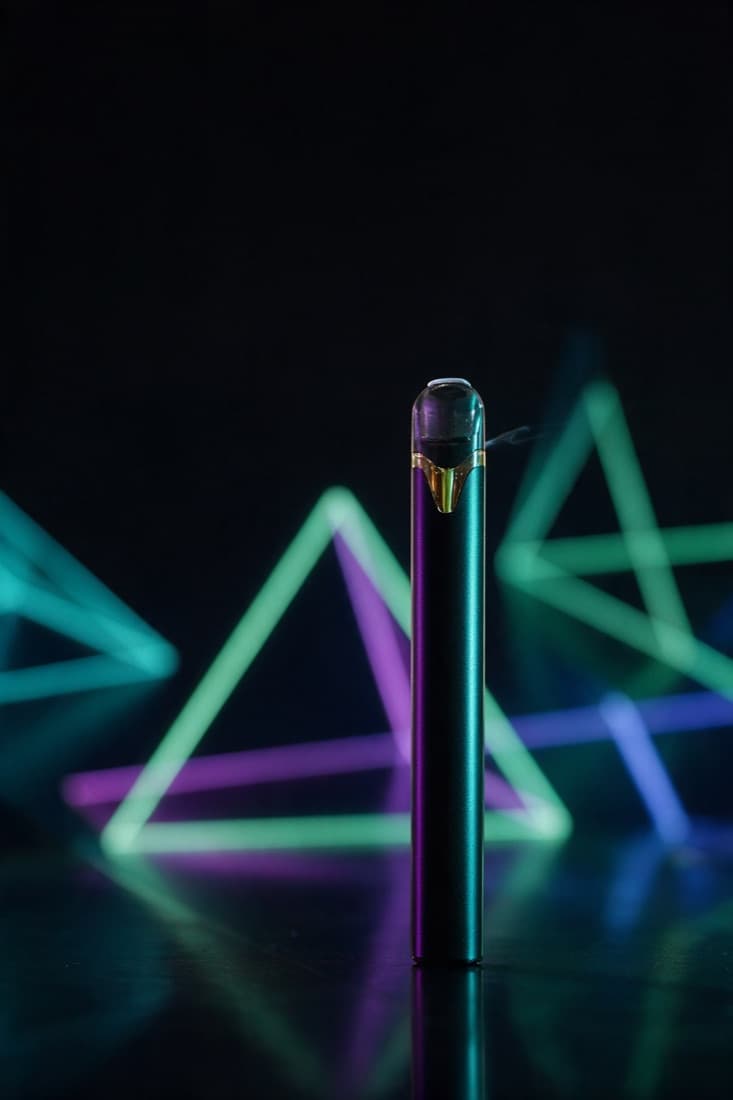
The simplest door into the category. You unbox it, charge it if needed, and use it. No filling, no threads, no tiny screwdrivers.
What separates a good pen from a gamble is information: the volume, roughly how many puffs to expect, how it charges and whether it tells you anything about the battery. Vague boxes deserve vague trust.
Format 2: cartridges on a battery
If you like options, this is your format. One battery, a small drawer of cartridges, a different flavour depending on the evening. It is the capsule coffee machine of the category, minus the guilt about the pods.
The one rule: fit. A 510 cartridge needs a battery with a 510 thread (or a 510 magnetic adapter), and a battery with adjustable voltage lets you tune how strong each puff is. If you are weighing this against a pen, the pen wins on simplicity and the cartridge wins on choice.
Format 3: broad spectrum buds
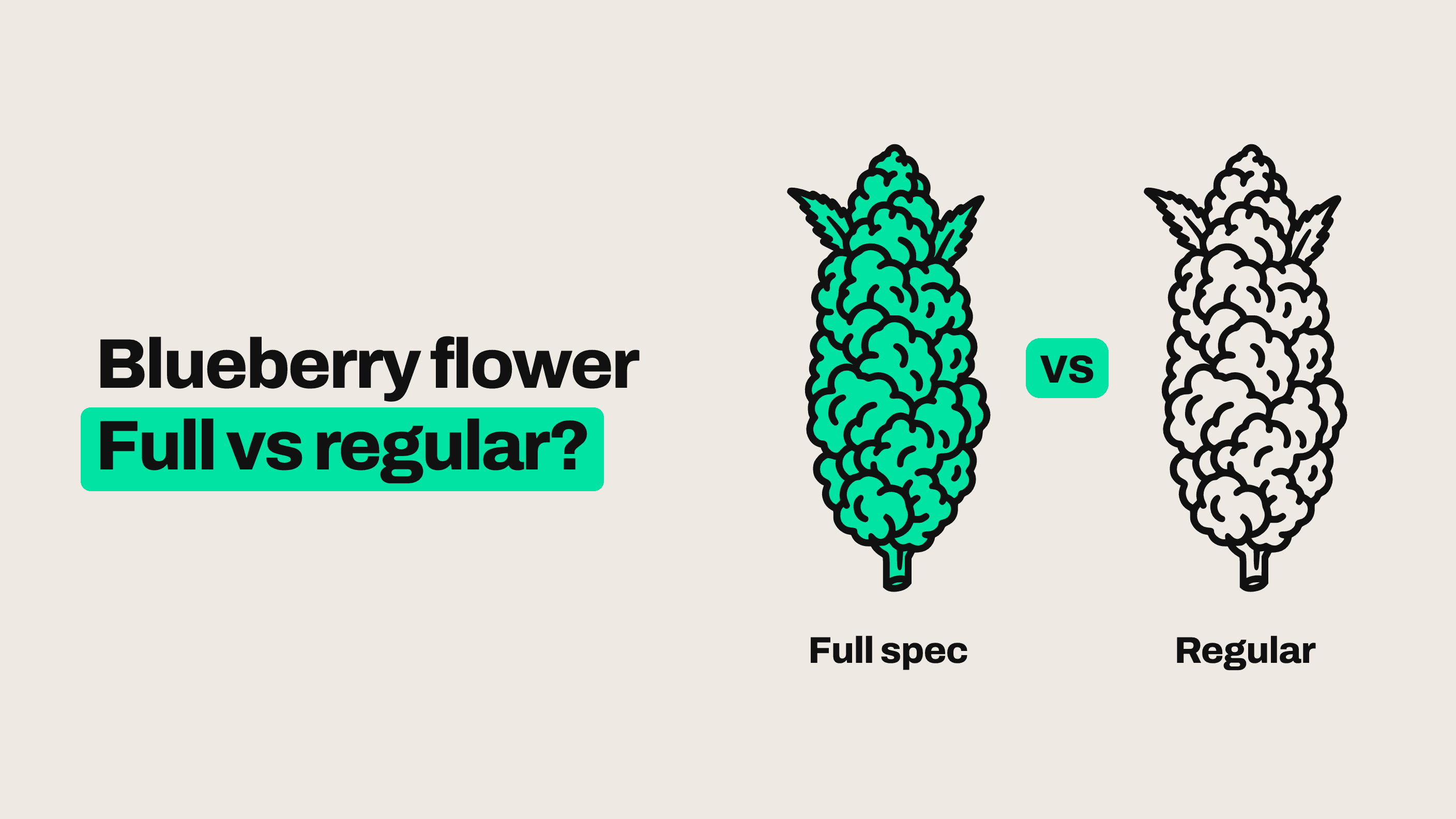
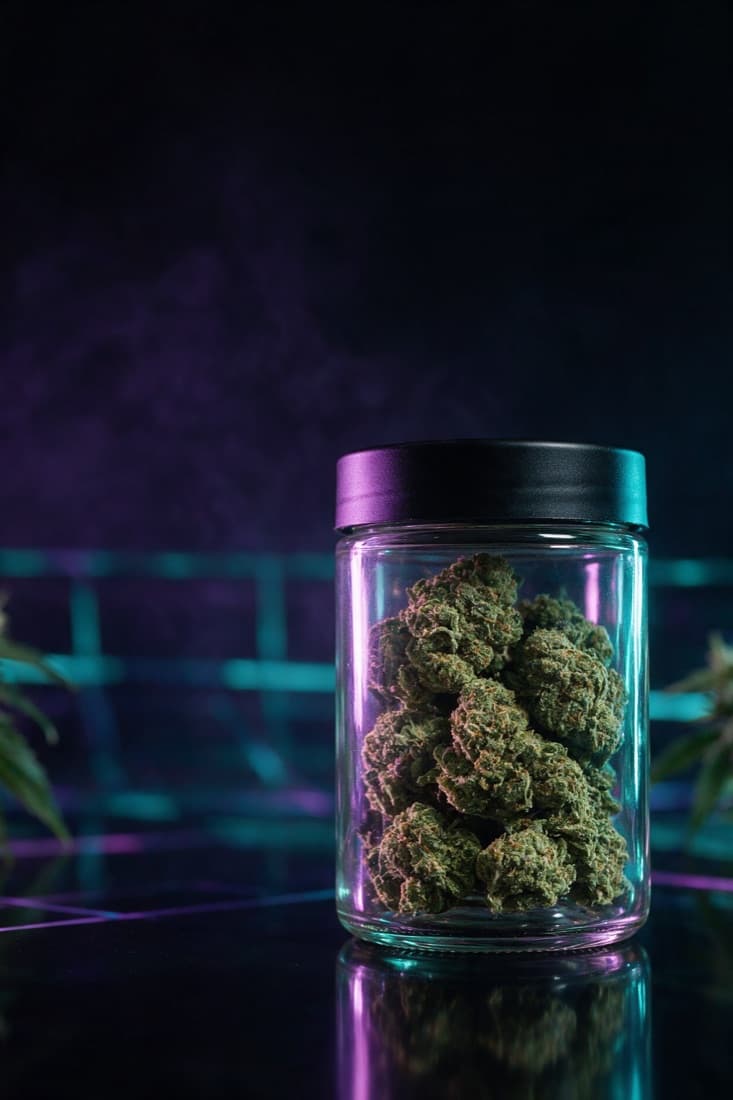
For people who miss the ritual: opening the bag, the smell, the grinder, the slow bit before the evening starts. Our broad spectrum flower is hemp with under 0.2% THC, sold by the gram, and the aroma does most of the talking.
Treat it like any new flower: a small amount first, then decide. Your nose will tell you quickly whether you are a Haze person or a cookie person.
Format 4: CBD flower and CBD oil
Not everyone is after a like-for-like swap. Plenty of people realise they mostly liked the wind-down: the tea, the sofa, the slower hour. For them, CBD keeps the plant and is usually described as the calmer, clear-headed choice: the quiet-evening option.
One honest note on oils. In the EU, CBD added to food or food supplements is a “novel food” that needs authorisation, and as of October 2026 no CBD novel food appears on the EU's list of authorised novel foods. EFSA said in 2022 that CBD's safety as a novel food could not be established because of data gaps, while stressing that it had not concluded CBD is unsafe as food.
An EFSA update published in February 2026 found those data gaps largely remain, and said safety cannot be established for people under 25, during pregnancy or breastfeeding, or for anyone taking other medicines. In short: the cautious reading is the right one, so read labels carefully and check your country's rules.
So how close do they get?
Across the category, the same handful of words keeps coming up: relaxation, euphoria, heightened senses. Shop copy across the market tends to sort formats loosely from livelier to calmer, with CBD flower and oil at the calm end. These are descriptions, not measured effects.
If shop copy were a weather forecast, it would promise a lovely evening every single day. Read it the way you read a forecast: useful for packing, not a guarantee.
Effects vary from person to person, and with format and amount. So treat the first evening as a trial run: a small amount, a quiet night, and the product page open in another tab (the one tab worth keeping).
And the non-negotiable bit: never drive after using anything psychoactive.
A five-point checklist before you buy anything
Run any product through this list, from any shop. It takes a minute and saves a lot of regret.
- No HHC-family compounds on the label. HHC, HHC-P, 10-OH-HHC or “HHC-style” products fall under Germany's New Psychoactive Substances Act or Narcotics Act (and similar bans elsewhere). Walk away.
- Lab results on request. A serious seller can show batch test results. Trippy 2.1's page, for example, says each batch is tested for purity and stability, and the FAQ on that page says test results are available on request.
- Clear contents and specs. The product page should say what is inside and give the key specs, not leave you guessing. For flower, that includes a stated THC figure, such as “under 0.2% THC”.
- Honest effect language. “People often describe…” is fine. Health promises, guarantees and miracle claims are not.
- Clear country rules. A good shop tells you to check your own country. One that promises it is allowed everywhere and never mentions your country's rules has told you all you need to know.
The starter shelf
That is the whole map. You can close the other thirty-nine tabs now. Pick by routine: a pen if you want it simple, a cartridge if you want choice, flower if you want the ritual, CBD if you want calm. If you would rather make one decision than five, these cover the most common starting points:
- The Starter Set: one Woody battery (magnetic connection, fits standard 510 carts) and four Trippy 1ml cartridges (the original Trippy, not the 2.1). The cartridge routine, sorted in one box.
- Penjamin 3.0: one pen, a display that counts every puff, no decisions.
- Amnesia Haze (Small Buds): the calm pick. The quietest thing on this list, for people who came for the wind-down rather than the swap.
We strive to offer only products that are 100% legal throughout the EU. Each product page lists what is inside; rules differ between countries, so please check yours before ordering.
THC alternatives, answered
What does “THC-Ersatz” actually mean?
It is German for “THC substitute” and is used in shops as a catch-all for hemp-based products, many of which aim for an experience people compare to THC while keeping THC low. It is a shopping term, not a legal category, so it says nothing on its own about whether a specific product is allowed where you live.
Is CBD a narcotic under EU law?
In the Kanavape case of 19 November 2020, the Court of Justice of the EU held that the CBD in the case, extracted from the whole hemp plant, cannot be treated as a narcotic drug under EU law, and that a member state cannot simply ban CBD lawfully produced in another member state. Countries can still restrict it on public-health grounds if they can justify it, so national rules still differ.
Can I eat CBD oil as a food supplement in the EU?
CBD added to food or food supplements counts as a novel food that needs authorisation in the EU, and as of October 2026 no CBD novel food appears on the EU's list of authorised novel foods. EFSA said in 2022 that safety could not yet be established because of data gaps, and a February 2026 update found those gaps largely remain. Check the product label and your country's rules.
Is HHC still an option?
Not in Germany. Since June 2024 the New Psychoactive Substances Act has covered HHC and derivatives such as HHC-P, and since 23 May 2026 HHC has been listed in Annex II of the Narcotics Act. At UN level, the Commission on Narcotic Drugs voted in 2025 to place HHC under international control.
Which format should a beginner start with?
Pick the format that matches your routine, then start low, go slow and read the product page. A pre-filled pen is the least fiddly, a cartridge on a battery suits tinkerers, and flower suits people who enjoy the ritual. Everything here is for adults 18+.
More reading
- What people reach for now that HHC is gone
- Are CBD Flowers Legal? The 2026 EU Rulebook Explained
- CBD vs THC Effects: What Each One Actually Does
Legal position as of October 2026, based on Regulation (EU) 2021/2115, the CJEU Kanavape judgment (C-663/18), EFSA's CBD statements, Germany's KCanG, NpSG and BtMG, and the UN decision on HHC. This is general information, not legal advice; rules change, so check the current law where you live.