
There's no single strongest legal cannabinoid for 2026 — it's the combination of cannabinoid type, spectrum blend, and consumption method that determines intensity. Here's how to choose the right strength while staying EU-compliant.
There is no single "strongest legal cannabinoid" crowned for 2026 — and any product claiming that title outright should be treated with a healthy dose of skepticism. What actually determines how intense a legal cannabinoid product feels is a combination of three factors: the cannabinoid type itself, whether it's blended as a full spectrum or broad spectrum formula, and how you consume it. Get those three variables right for your own tolerance and goals, and you'll land on the most intense, THC-like experience the EU-compliant market can currently offer — without chasing a marketing label that means very little on its own.
What "strongest" actually means for legal cannabinoids
Before comparing anything, it helps to define terms. When we talk about "strength" in this context, we're talking about the intensity and duration of a psychoactive-akin effect profile — things like sensory enhancement, deep relaxation, or a sense of euphoria — not a health outcome and not a claim about intoxication levels. Legal cannabinoid products sold in the EU are formulated to sit within regulatory THC limits, so "strong" here means how closely and how noticeably a product's effect profile resembles the classic cannabis experience, within that compliant framework.
This distinction matters because it sets realistic expectations. A product can be described as offering a more pronounced, longer-lasting sensory experience without anyone promising a specific outcome. If you want a deeper dive into how these effect profiles actually compare to THC itself, our guide on how different cannabinoid effects compare to THC is a good companion read before you shop.
The legal cannabinoid landscape heading into 2026
The EU legal cannabinoid market has matured considerably over the past few years, and 2026 looks set to continue that trajectory rather than upend it. Instead of one dominant molecule, the market is diversifying: formulators are experimenting with different cannabinoid blends, extraction methods, and delivery formats, all while working within applicable EU laws and regulations governing THC content and novel food or consumer product frameworks.
What this means practically is that "strongest" is increasingly a moving target shaped by product engineering rather than a single breakthrough ingredient. Rather than waiting for a hypothetical super-molecule, it's more useful to understand the levers that already exist and are being refined. You can see this evolution reflected directly in the current catalog by browsing the range of legal THC alternative products available right now.
Full spectrum vs broad spectrum: how blend affects strength
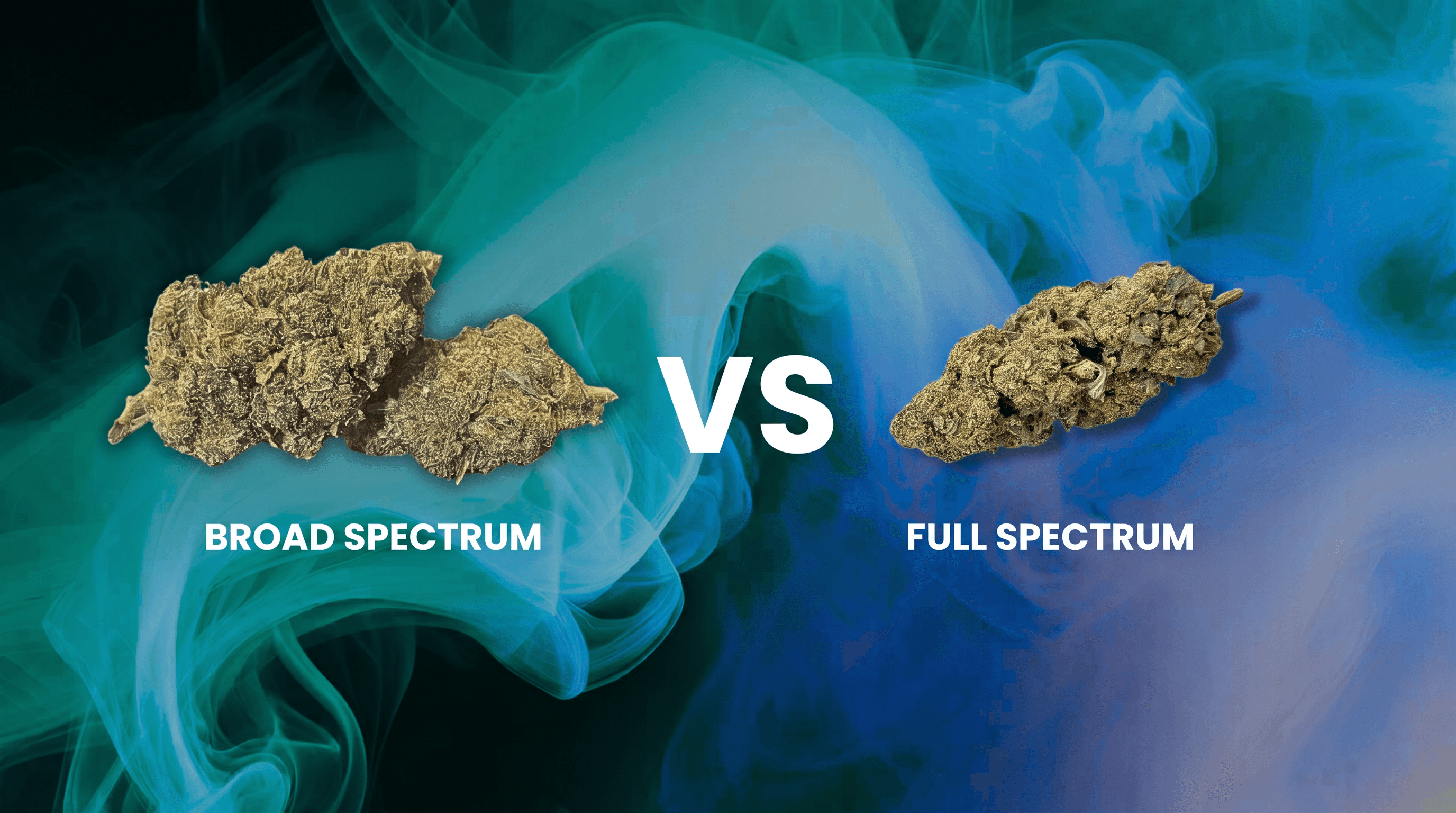
One of the biggest levers behind perceived intensity is spectrum type. Full spectrum formulations retain the complete range of naturally occurring cannabinoids and terpenes found in the hemp plant, including trace, legally compliant amounts of THC. This fuller profile tends to create what's often called an entourage effect — the compounds working together for a richer, rounder sensory experience.
Broad spectrum formulations, by contrast, are engineered to concentrate specific cannabinoids whose molecular structure sits closer to THC, often resulting in an effect profile that feels more pronounced and longer-lasting for many users, even without relying on the same trace-THC entourage mechanism. Neither is objectively "better" — they simply target different kinds of intensity.
| Spectrum type | Composition | General intensity tendency |
|---|---|---|
| Full spectrum | Full cannabinoid and terpene profile, including trace legal THC | Rounder, layered effect from multiple compounds working together |
| Broad spectrum | Concentrated on cannabinoids structurally closer to THC | Often reported as more pronounced and longer-lasting per dose |
We've covered this comparison in far more depth specifically for buds — if you want the full breakdown, compare full spectrum vs broad spectrum strength in depth.
Which cannabinoid categories are considered strongest right now
This section is opinion and informed estimate rather than verified fact, since individual product data varies by batch and brand. That said, among people who follow the legal cannabinoid space closely, cannabinoids that are structurally closer to THC — and formulated at higher concentrations within broad spectrum blends — are generally regarded as delivering the most noticeable effect profiles. Products built around these categories tend to be favored by users specifically seeking a more intense sensory experience, compared to CBD-dominant or full spectrum options with only trace amounts of THC-adjacent compounds.
It's worth stressing that this is a general industry impression, not a ranked, verified list — actual potency and experience depend on formulation quality, dosage, and the individual. Rather than relying on marketing claims, the most reliable way to gauge current options is to compare listed effect profiles directly. You can explore the full catalog of legal cannabinoid products to see how different categories are described and positioned today.
Staying compliant while chasing stronger effects
Every product discussed in this piece is formulated to comply with applicable EU laws and regulations — that's a non-negotiable baseline, not an afterthought. But compliance isn't a single EU-wide switch; it's assessed market by market, since individual countries interpret and enforce hemp-derived product rules differently, particularly around vape formats.
Rather than making blanket cross-border claims, it's far more useful to look at how legal status is actually evaluated in specific markets. Our country-specific guides walk through exactly that process: see how it plays out in Croatia, in Italy, and in Austria. If you're shopping across borders or simply want to understand how these frameworks are assessed, these guides are the right starting point before you buy.
How consumption method changes the strength you feel
Even the exact same cannabinoid blend can feel dramatically different depending on how it's consumed. Vaporizing heats material at controlled temperatures to release cannabinoids and terpenes as inhalable vapor, typically producing a faster onset and a more immediate, pronounced sensory experience than methods like oils or edibles, where effects build gradually and last longer but arrive with less intensity up front.
Within vaporizing itself, device type matters too. Dry herb vaporizers generally allow more temperature control and can extract a fuller range of compounds from full spectrum material, while vape pens offer convenience and consistency with pre-filled formulations. If you're deciding between device categories, our guide to choosing the right device type for delivering stronger effects breaks down the practical differences. And if you're weighing vaporizing against traditional smoking altogether, our comparison of vaporizing to smoking for a more controlled, intense experience covers how each method shapes onset, flavor, and perceived strength.
Strength isn't just about what's in the product — it's about how efficiently your chosen method delivers it.
Choosing your strongest legal option in 2026
Putting it all together, finding your strongest compliant option in 2026 comes down to three deliberate choices rather than one product name:
- Cannabinoid type: favor categories generally associated with more pronounced, THC-like effect profiles if intensity is your priority.
- Spectrum blend: choose broad spectrum for a more concentrated, longer-lasting profile, or full spectrum for a rounder, layered entourage-style experience.
- Consumption method: vaporizing generally delivers faster onset and more immediate intensity compared to slower-acting formats.
None of these choices override the fact that every product should be formulated within applicable EU laws and regulations, and that individual tolerance, dosage, and product quality all shape the actual experience. With those factors in mind, the best next step is to compare current listings directly: shop the strongest legal THC alternative category to see how today's cannabinoid and spectrum options are positioned, or browse the complete shop for current options and pricing to weigh formats, strengths, and devices side by side before you decide what "strongest" means for you.