
Yes, vaporizer hardware is legal to own and buy in Germany — the real question is what you put inside it. Here's the device-vs-substance framework explained clearly.
Yes — a vaporizer itself is legal to own, buy, and import in Germany. The device is treated as a standard electronic heating appliance, not a controlled item. What determines whether you're on the right side of the law is entirely about what you load into it: legal herbal material and compliant CBD or THC-alternative products are fine, while anything containing illegal concentrations of controlled cannabinoids is not. This article breaks that distinction down clearly. It's general information for informed shopping, not legal advice, and you should always check current local regulations before purchasing or traveling with any product.
Why German law doesn't regulate the vaporizer itself
A vaporizer is, mechanically, a battery-powered heating chamber. It heats material to a temperature that releases vapor without combustion. Under German and broader EU product law, that puts it in the same regulatory bucket as a coffee grinder or an electric kettle: an electronic consumer good, not a drug paraphernalia item and not a narcotic. Ownership, purchase, and import of the hardware fall outside narcotics regulation entirely.
The substance you place inside the device is where the actual legal framework applies. Germany, like the rest of the EU, draws firm lines around cannabinoid content — particularly THC — while treating other cannabinoids, like CBD, very differently. If you want the fuller picture of how these compounds are classified and why the distinction matters so much, our guide on CBD vs THC effects covers how CBD and THC are treated differently under EU and German cannabinoid rules.
What you can legally vaporize with your device in Germany
Once you've separated the device from its contents, the next question is simple: what's actually allowed to go inside it? Broadly, German consumers commonly use a vaporizer with:
- Legal hemp buds and herbal material that comply with applicable THC concentration limits under EU and German regulations.
- CBD-dominant products formulated to stay within legal cannabinoid thresholds.
- Legal THC-alternative blends designed to comply with applicable laws and regulations in the EU while offering a comparable vaporizing experience.
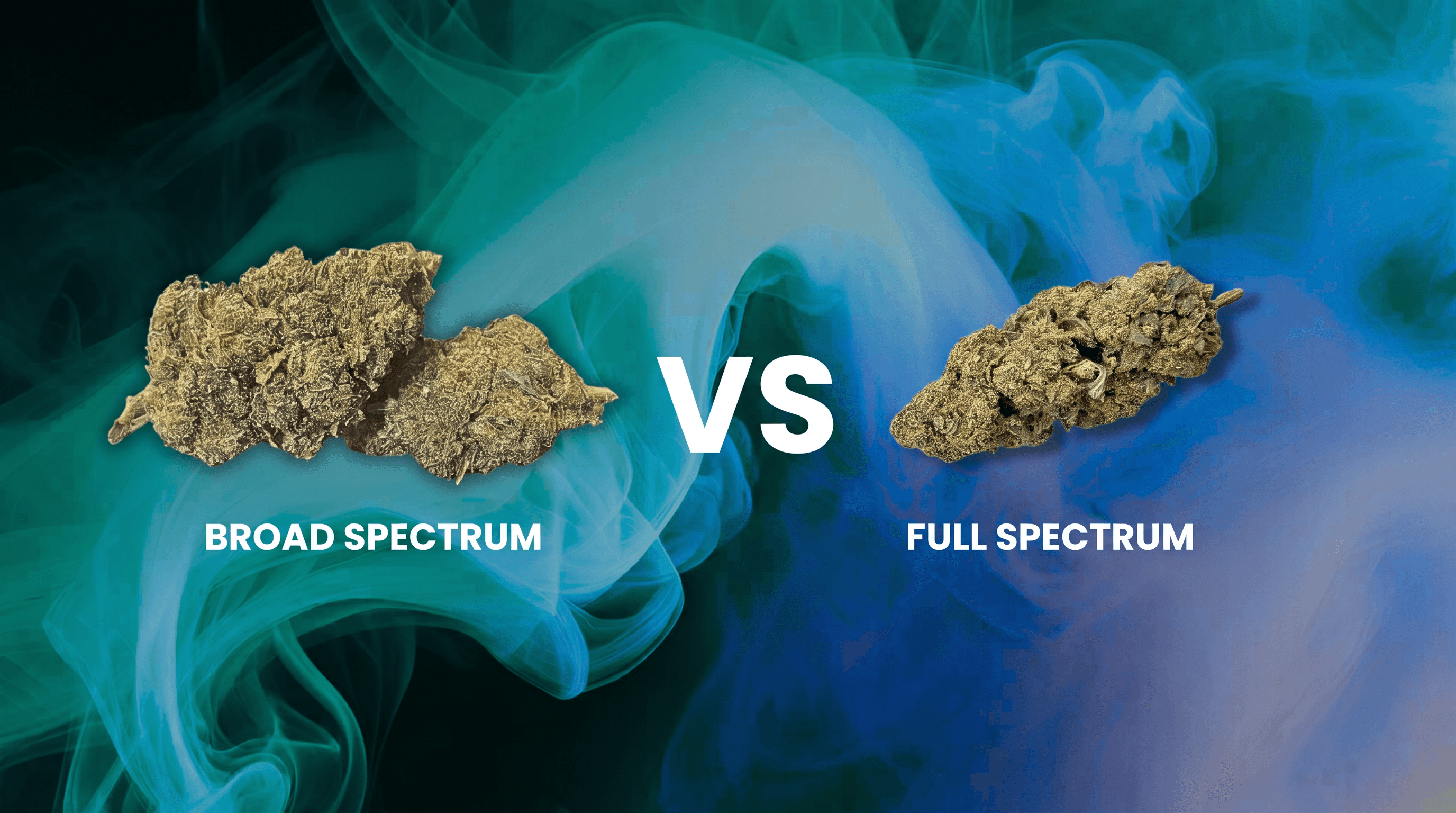
The exact composition matters more than the marketing label. Different hemp bud types — full spectrum versus broad spectrum — carry different cannabinoid profiles and are formulated with compliance in mind in different ways. If you're comparing options, our breakdown of full spectrum vs. broad spectrum buds walks through which hemp bud types are commonly used with a dry-herb vaporizer and how they differ.
Buying and importing a vaporizer: certification matters more than you think
Because the hardware isn't regulated as a narcotics-related item, the paperwork that actually matters when you buy or import a vaporizer isn't THC-related labeling at all — it's standard electronics certification. Look for:
- CE marking — confirms the device meets EU health, safety, and environmental requirements.
- RoHS compliance — restricts hazardous substances in electronic components.
- FCC certification — relevant for electromagnetic compatibility, particularly for devices also sold or shipped through markets referencing US standards.
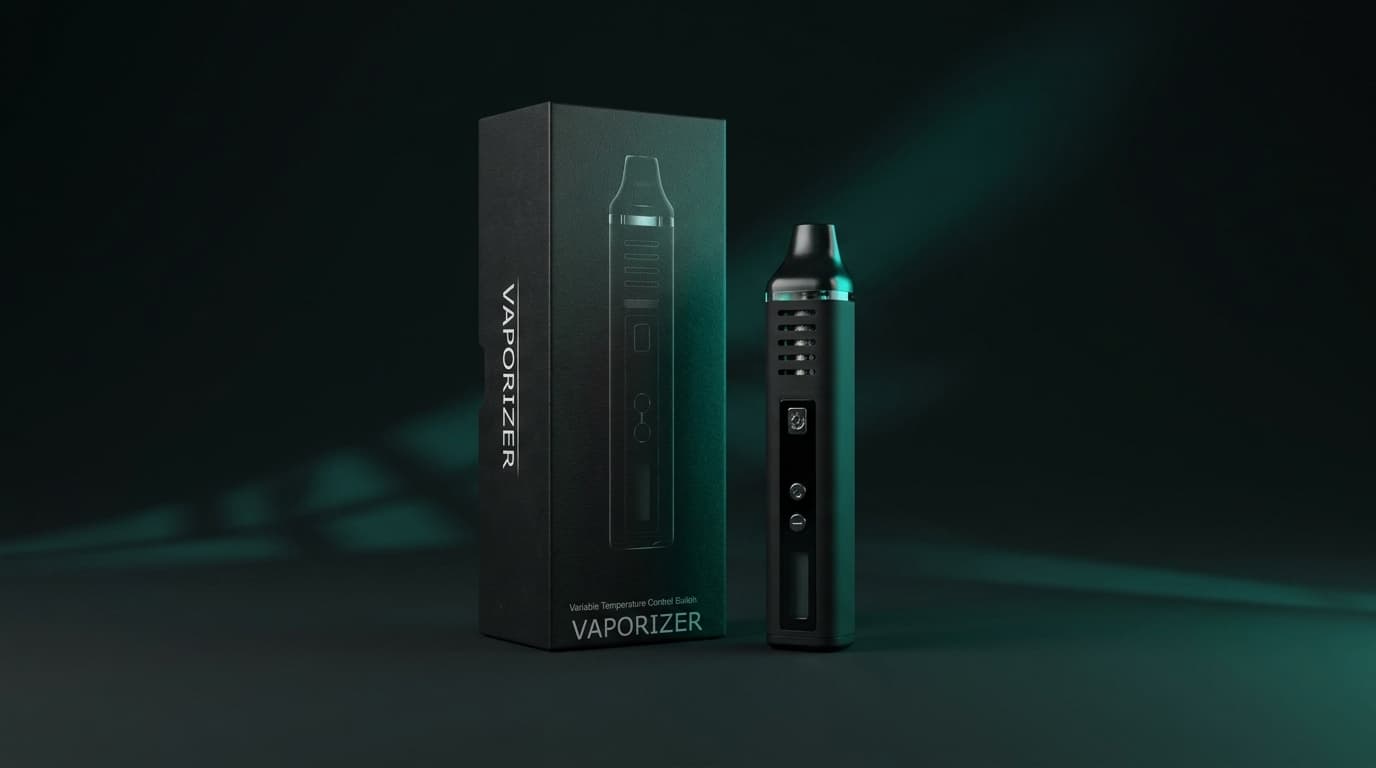
These are the credentials that make a vaporizer straightforward to buy online, ship across the EU, and use without customs or product-safety complications. The Weedorizer Vaporizer is one example available in the store. Certification status, exact specifications, and current pricing can change, so check the product page directly for up-to-date details before purchasing.
| Certification | What it confirms |
|---|---|
| CE | Meets EU health, safety, and environmental standards |
| RoHS | Restricts hazardous substances in electronic parts |
| FCC | Confirms electromagnetic compatibility standards |
Using a vaporizer in public: etiquette and general restrictions
Legal ownership doesn't mean unrestricted use everywhere. Vaporizing devices are generally subject to the same kinds of indoor-air and public-space restrictions that apply to smoking and vaping more broadly. As general, non-country-specific guidance, expect limits or outright bans in:
- Enclosed public buildings and workplaces
- Public transport, including trains, buses, and platforms in many stations
- Restaurants, bars, and other hospitality venues with indoor no-smoking policies
- Shared indoor spaces where local house rules or building regulations apply
These restrictions typically apply regardless of what's loaded into the device — the rules are about airborne vapor in shared spaces, not the legality of the material itself. If you're deciding between a dry-herb vaporizer and a vape pen for different situations, our comparison of vaporizers vs. vape pens goes deeper into how the two devices are typically used and where their practical differences show up.
Choosing a vaporizer built for legal herbal and CBD use
Once the legal framework is clear, the purchase decision comes down to practical fit. Two features are worth prioritizing:
- Adjustable temperature control — different herbal and CBD materials release their compounds at different temperatures, so a wide, precise range gives you more consistent sessions.
- Build quality of the heating chamber — a stainless steel chamber holds heat evenly and is straightforward to keep clean between uses.
The Weedorizer Vaporizer is designed with both of these priorities in mind. For exact temperature range, chamber capacity, current stock availability, and customer ratings, check the product page directly, as these details can change over time. If you want to compare it against other options first, you can browse the full range of vaporizers available in the store.
Related reading on legal alternatives across Europe
If you're planning to travel with a device, or you're researching how these rules shift outside Germany, the device-vs-substance framework above is a useful starting point — but each market has its own specifics. See how vape and CBD legality looks in neighboring Austria, how hemp regulations have shaped the landscape in Italy, or what the current picture looks like for THC vape legality in Croatia.